



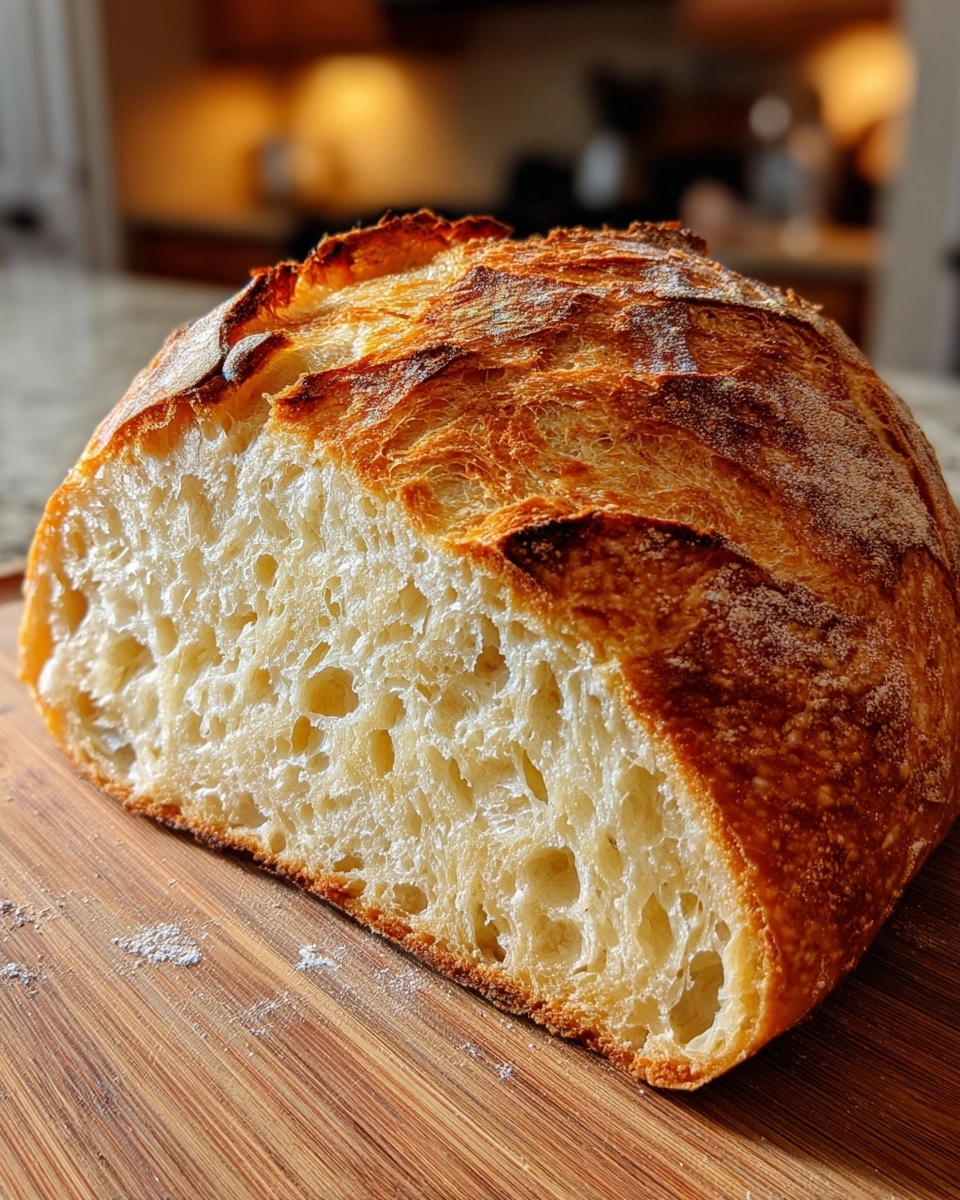
Sourdough French Bread
There’s something magical about the aroma of freshly baked Sourdough French Bread wafting through your home. It’s like a warm hug on a busy day, inviting you to take a moment for yourself. I know how hectic life can get, especially for us busy moms and professionals. This recipe is not just about baking; it’s about creating a moment of joy. Whether you’re looking to impress your loved ones or simply want a comforting slice to enjoy with your morning coffee, this Sourdough French Bread is the perfect solution. Let’s dive into this delightful culinary adventure together!
Why You’ll Love This Sourdough French Bread
This Sourdough French Bread is a game-changer for your kitchen. It’s surprisingly easy to make, even for those of us juggling a million things. The taste? Oh, it’s simply divine! With a crispy crust and a soft, airy interior, each bite feels like a little celebration. Plus, the satisfaction of baking your own bread is unmatched. You’ll feel like a culinary rockstar, and your family will love you for it!
Ingredients for Sourdough French Bread
Gathering the right ingredients is the first step to creating your Sourdough French Bread masterpiece. Here’s what you’ll need:
- Bread Flour: This is the backbone of your bread. It has a higher protein content, which helps create that lovely chewy texture.
- Water: Essential for hydration, it activates the gluten in the flour. Use filtered water for the best results.
- Sourdough Starter: This magical mix of flour and water is what gives your bread its unique flavor and rise. Make sure it’s bubbly and active!
- Salt: A crucial ingredient that enhances flavor and strengthens the dough. It also helps control fermentation.
Feel free to experiment! You can add herbs, garlic, or even cheese for a twist on the classic recipe. If you’re out of bread flour, all-purpose flour can work in a pinch, but the texture may vary. For exact measurements, check the bottom of the article where you can find everything available for printing.
How to Make Sourdough French Bread
Now that we have our ingredients ready, let’s get our hands a little floury! Making Sourdough French Bread is a delightful process that brings a sense of accomplishment. Follow these simple steps, and you’ll be on your way to baking a beautiful loaf.
Step 1: Mix the Dough
Start by combining the bread flour and water in a large bowl. Use your hands or a wooden spoon to mix until no dry flour remains. It should feel like a sticky, shaggy mass. Don’t worry if it looks a bit messy; that’s part of the charm! This step is crucial as it hydrates the flour, setting the stage for gluten development.
Step 2: Add Starter and Salt
Next, it’s time to introduce the star of the show: your sourdough starter! Add it to the dough along with the salt. Mix everything together until well combined. You want to ensure the starter is evenly distributed throughout the dough. This is where the magic begins, as the starter will help your bread rise and develop that signature tangy flavor.
Step 3: Rest the Dough
Now, cover the bowl with a damp cloth and let the dough rest for 30 minutes. This resting period, known as autolyse, allows the flour to fully absorb the water. It also helps to relax the gluten, making it easier to work with later. Trust me, this step is worth the wait!
Step 4: Stretch and Fold
After the dough has rested, it’s time for some gentle exercise! Every 30 minutes for the next 2-3 hours, perform a series of stretch and folds. To do this, wet your hands to prevent sticking, grab one side of the dough, stretch it up, and fold it over itself. Rotate the bowl and repeat until you’ve stretched and folded all sides. This technique strengthens the dough and helps develop that lovely structure.
Step 5: Shape the Loaf
Once your dough has risen and feels airy, it’s time to shape it. Lightly flour your work surface and gently turn the dough out. Shape it into a round loaf by tucking the edges into the center. This creates surface tension, which is essential for a good rise. Place the shaped loaf into a floured proofing basket, seam side up, and cover it with a cloth.
Step 6: Rise the Dough
Now, let your dough rise! You can choose to let it rise at room temperature for 2-4 hours or pop it in the fridge overnight for a slower fermentation. The longer rise in the fridge enhances the flavor and texture. Just remember, patience is key here!
Step 7: Preheat the Oven
About 30 minutes before you’re ready to bake, preheat your oven to 450°F (232°C). Place a Dutch oven inside to heat up as well. This step is crucial for achieving that crispy crust we all love. The steam created in the Dutch oven will help your bread rise beautifully.
Step 8: Bake the Bread
Carefully transfer your dough to the hot Dutch oven. You can do this by flipping it out of the proofing basket. Cover it with the lid and bake for 30 minutes. This traps steam, creating a perfect environment for your bread to rise. After 30 minutes, remove the lid and bake for an additional 15-20 minutes until it’s golden brown and crusty.
Step 9: Cool and Slice
Once your bread is baked to perfection, remove it from the oven and let it cool on a wire rack. This cooling period is essential; slicing too soon can make the inside gummy. Once it’s cool, slice into that beautiful loaf and enjoy the fruits of your labor!
Tips for Success
- Always use an active sourdough starter for the best rise.
- Keep your workspace floured to prevent sticking during shaping.
- Don’t rush the resting and rising times; they’re crucial for flavor.
- Experiment with different flours for unique textures and tastes.
- Use a kitchen scale for precise measurements, ensuring consistent results.
Equipment Needed
- Large Mixing Bowl: A sturdy bowl for mixing your dough. A glass or stainless steel bowl works well.
- Wooden Spoon or Dough Scraper: For mixing and folding the dough. A spatula can also do the trick.
- Proofing Basket: Helps shape the loaf. A bowl lined with a floured cloth can be a great alternative.
- Dutch Oven: Essential for baking. If you don’t have one, a baking stone with a pan for steam can work.
- Wire Rack: For cooling your bread. A simple plate can suffice in a pinch.
Variations of Sourdough French Bread
- Herb-Infused: Add fresh or dried herbs like rosemary, thyme, or oregano to the dough for a fragrant twist.
- Garlic Bread: Incorporate minced garlic into the dough or brush the baked loaf with garlic-infused olive oil for a savory delight.
- Cheesy Delight: Fold in shredded cheese, such as cheddar or parmesan, for a rich, cheesy flavor that pairs perfectly with soups.
- Whole Wheat Variation: Substitute half of the bread flour with whole wheat flour for a nuttier taste and added fiber.
- Seeded Crust: Before baking, sprinkle sesame seeds, poppy seeds, or flaxseeds on top of the loaf for added texture and nutrition.
Serving Suggestions for Sourdough French Bread
- With Soup: Pair your bread with a hearty bowl of tomato or minestrone soup for a comforting meal.
- Cheese Platter: Serve slices alongside a selection of cheeses, olives, and cured meats for an elegant appetizer.
- Bruschetta: Top toasted slices with fresh tomatoes, basil, and a drizzle of balsamic for a refreshing snack.
- Breakfast Toast: Spread with avocado or almond butter for a nutritious breakfast option.
- Presentation: Serve on a wooden board with a butter dish for a rustic touch.
FAQs about Sourdough French Bread
What is the best way to store Sourdough French Bread?
To keep your Sourdough French Bread fresh, store it in a paper bag at room temperature. Avoid plastic bags, as they trap moisture and can make the crust soggy. If you want to keep it longer, slice the bread and freeze it in an airtight container. Just pop a slice in the toaster when you’re ready to enjoy!
Can I use all-purpose flour instead of bread flour?
Yes, you can use all-purpose flour, but the texture may differ. Bread flour has a higher protein content, which gives your Sourdough French Bread that delightful chewiness. If you’re in a pinch, all-purpose flour will still yield a tasty loaf!
How do I know if my sourdough starter is active?
Your sourdough starter should be bubbly and have doubled in size within 4-6 hours after feeding. A good test is to drop a spoonful in a glass of water; if it floats, it’s ready to use! This ensures your bread will rise beautifully.
Can I add flavors to my Sourdough French Bread?
Absolutely! You can mix in herbs, garlic, or cheese to create a unique flavor profile. Just remember to adjust the hydration slightly if you add dry ingredients. The possibilities are endless, so feel free to get creative!
Why is my bread dense?
A dense loaf can result from an inactive sourdough starter, not enough rising time, or too much flour. Make sure your starter is bubbly and give your dough plenty of time to rise. A little patience goes a long way in achieving that light, airy texture!
Summarizing the Joy of Sourdough French Bread
Baking Sourdough French Bread is more than just a recipe; it’s a delightful journey that fills your home with warmth and love. Each step, from mixing the dough to the moment you slice into that golden crust, is a celebration of patience and creativity. The joy of sharing a homemade loaf with family and friends is unmatched. It’s a simple pleasure that brings everyone together, creating memories around the table. So, roll up your sleeves, embrace the process, and let the magic of Sourdough French Bread transform your kitchen into a haven of happiness!
PrintSourdough French Bread: Unlock the Perfect Recipe Today!

A detailed guide to making the perfect Sourdough French Bread with a crispy crust and soft interior.
- Prep Time: 30 minutes
- Cook Time: 45 minutes
- Total Time: 3-4 hours (plus overnight for fridge rise)
- Yield: 1 large loaf
- Category: Bread
- Method: Baking
- Cuisine: French
- Diet: Vegetarian
Ingredients
- 500g bread flour
- 350ml water
- 100g sourdough starter
- 10g salt
Instructions
- In a large bowl, mix the bread flour and water until no dry flour remains.
- Add the sourdough starter and salt, and mix until well combined.
- Cover the bowl with a damp cloth and let it rest for 30 minutes.
- Perform a series of stretch and folds every 30 minutes for the next 2-3 hours.
- Shape the dough into a round loaf and place it in a floured proofing basket.
- Cover and let it rise for 2-4 hours at room temperature or overnight in the fridge.
- Preheat the oven to 450°F (232°C) with a Dutch oven inside.
- Carefully transfer the dough to the hot Dutch oven, cover, and bake for 30 minutes.
- Remove the lid and bake for an additional 15-20 minutes until golden brown.
- Let the bread cool on a wire rack before slicing.
Notes
- Ensure your sourdough starter is active and bubbly before using.
- Adjust the hydration level based on your flour type.
- For a more complex flavor, consider a longer fermentation time.